
article / June 30, 2026
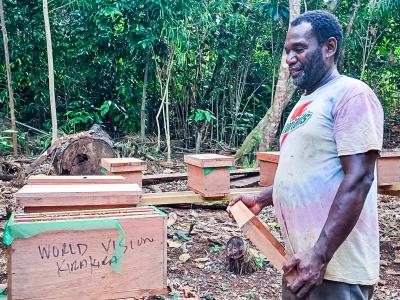
Growing resilience, harvesting hope: How communities in Makira are building a stronger future
Discover how the CARA Project is helping communities in Makira build climate resilience, improve livelihoods, strengthen food security, and create brighter futures for children.
press release / June 24, 2026
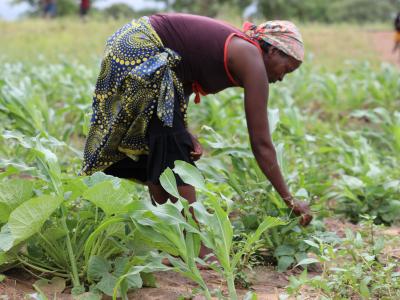
World Vision Strengthen Community Disaster Risk Reduction capacity amid the super El Niño impact forecast in Southern Africa
World Vision strengthens community resilience in Southern Africa through Disaster Risk Reduction as a forecasted super El Niño threatens drought and floods in Mozambique.
article / June 24, 2026
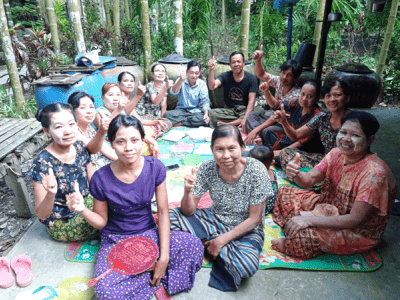
Seeds of Resilience
For years, the memory of devastation hung quietly over Kyan khin Village. When a catastrophic Cyclone Nargis tore through Myanmar's Ayeyarwady Region, it didn't just flatten the local school, clinic, and homes—it shattered the community’s economic foundation. For a village reliant on farming, casual labor, and small-scale fishing, recovery was an agonizingly slow climb out of deep poverty. But true resilience doesn't just wait for the next storm; it prepares for it.
publication / June 18, 2026
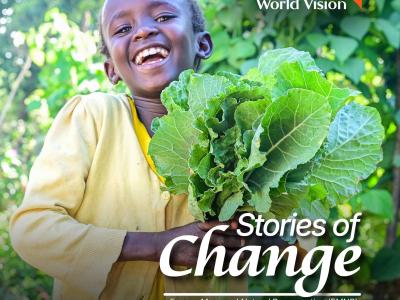
Stories of Change - Farmer Managed Natural Regeneration (FMNR)
Stories of how FMNR and complementary approaches restored landscapes, strengthened livelihoods and built climate resilience in Kenya's Central Rift.
press release / June 22, 2026
Humbo Goats Union Protests National FMNR Symposium, Warns Ethiopia's Re-Greening Efforts Have Gone "Too Far"
World Vision Ethiopia's FMNR restoration efforts face fictional opposition from the Humbo Goats Union in a humorous story about restoring land for children.

publication / June 18, 2026
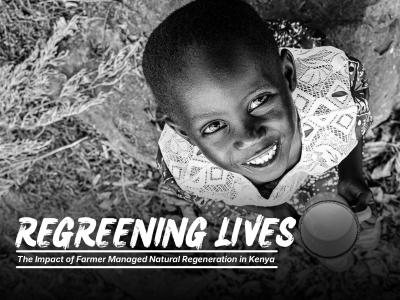
Regreening Lives - The Impact of Farmer Managed Natural Regeneration in Kenya
Discover how FMNR is restoring degraded lands, improving food security and building climate resilience for communities across Kenya's ASAL counties.
article / June 28, 2026
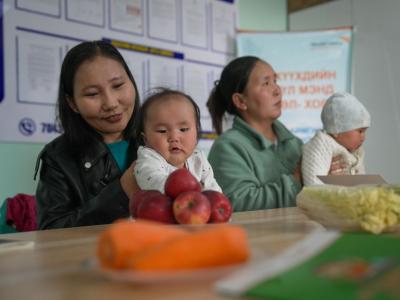
Why community‑based maternal and child health works: Lessons from Khovd Province, Mongolia
Discover how a community-based maternal and child health project in Mongolia improved child nutrition, strengthened primary healthcare, and empowered families.
publication / May 27, 2026
Resilience In Emergencies | Global Overview
Investing in Resilience: How World Vision Supports Children in Crisis Settings

press release / June 22, 2026
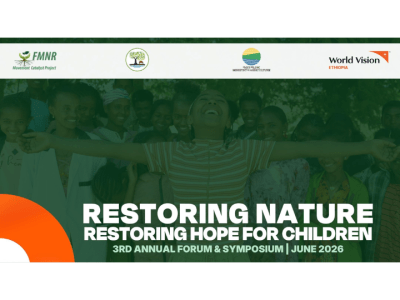
Ethiopia's FMNR (Farmer Managed Natural Regeneration) Movement Catalyst Gathers National Partners to Accelerate Restoration of Degraded Land
World Vision Ethiopia hosts the FMNR National Forum, bringing together partners to scale land restoration and create lasting benefits for children.
article / June 22, 2026
Small savings, big Impact: John's story of resilience and growth
Discover how John Solo’s story of resilience thrives through World Vision’s S4T program, uplifting rural communities and building brighter futures for children in Solomon Islands.
